




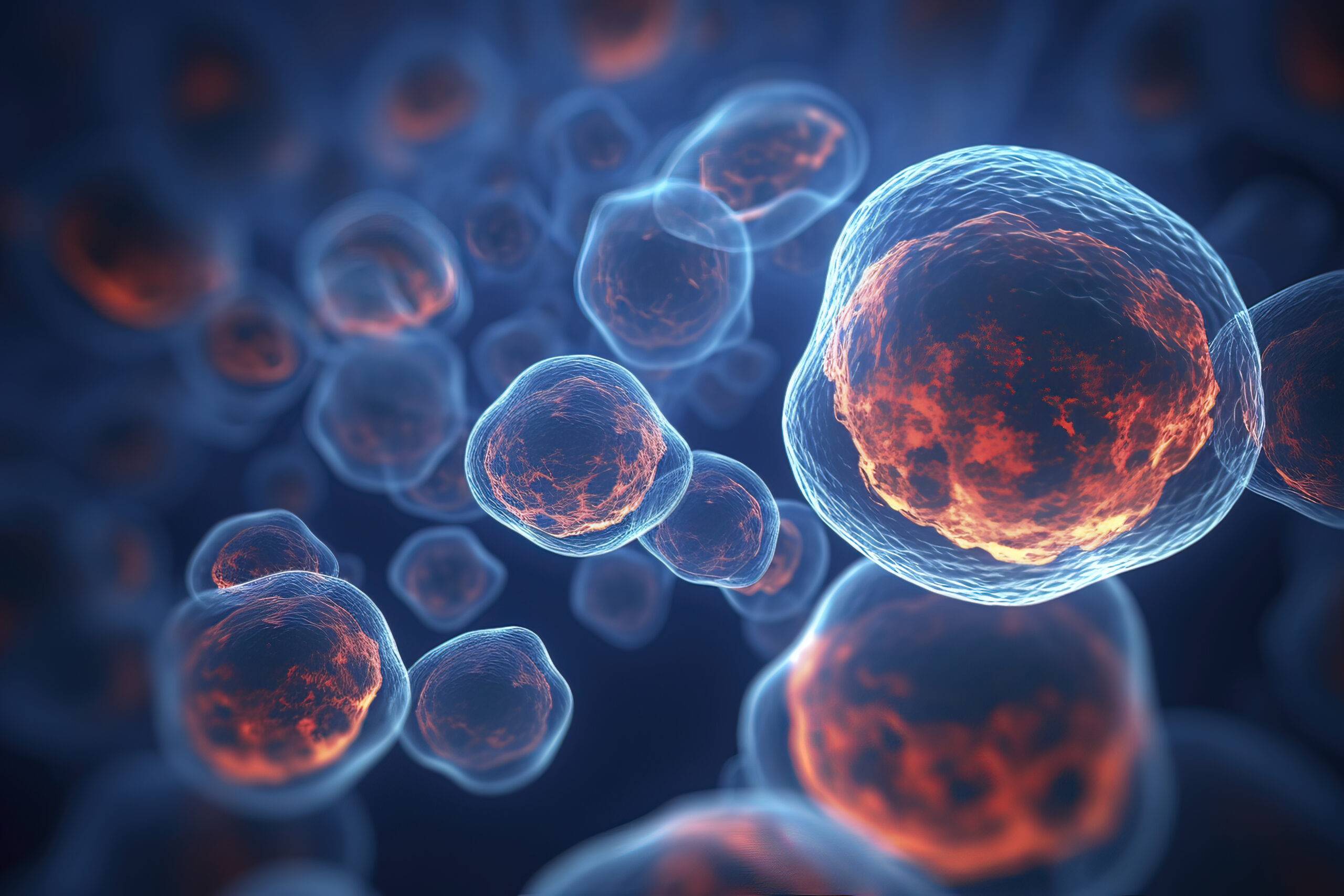
Somatic cell nuclear transfer (SCNT) can generate viable mammals despite pervasive epigenetic abnormalities in cloned embryos, yet the mechanism underlying this paradox remains unclear. Here we show, using single-cell transcriptomics, that efficient reprogramming occurs exclusively in the epiblast (EPI), but the not primitive endoderm (PrE) of late mouse SCNT blastocysts. Integrating this with previous findings of trophectoderm (TE) aberration, we propose the EPI as the sole effectively reprogrammed lineage. By innovatively employing a Lego-like multi-lineage embryonic aggregation approach, where the extra-embryonic lineages were replaced with fertilization-derived counterparts, we demonstrated that SCNT-derived EPI inherently possesses full-term developmental potential nearly identical to that of fertilized EPI (20.5% vs. 21.8% birth rate), functionally confirming its effective reprogramming. Our study uncovers a lineage-specific asymmetric reprogramming mode where the EPI specifically achieves effective reprogramming, thereby constituting the deterministic basis for cloned animal generation. This work also provides a versatile strategy for investigating lineage potency and function.
Toward terminological clarity in digital biomarker research
Digital biomarker research has generated thousands of publications demonstrating associations between sensor-derived measures and clinical conditions, yet clinical adoption remains negligible. We identify a foundational