


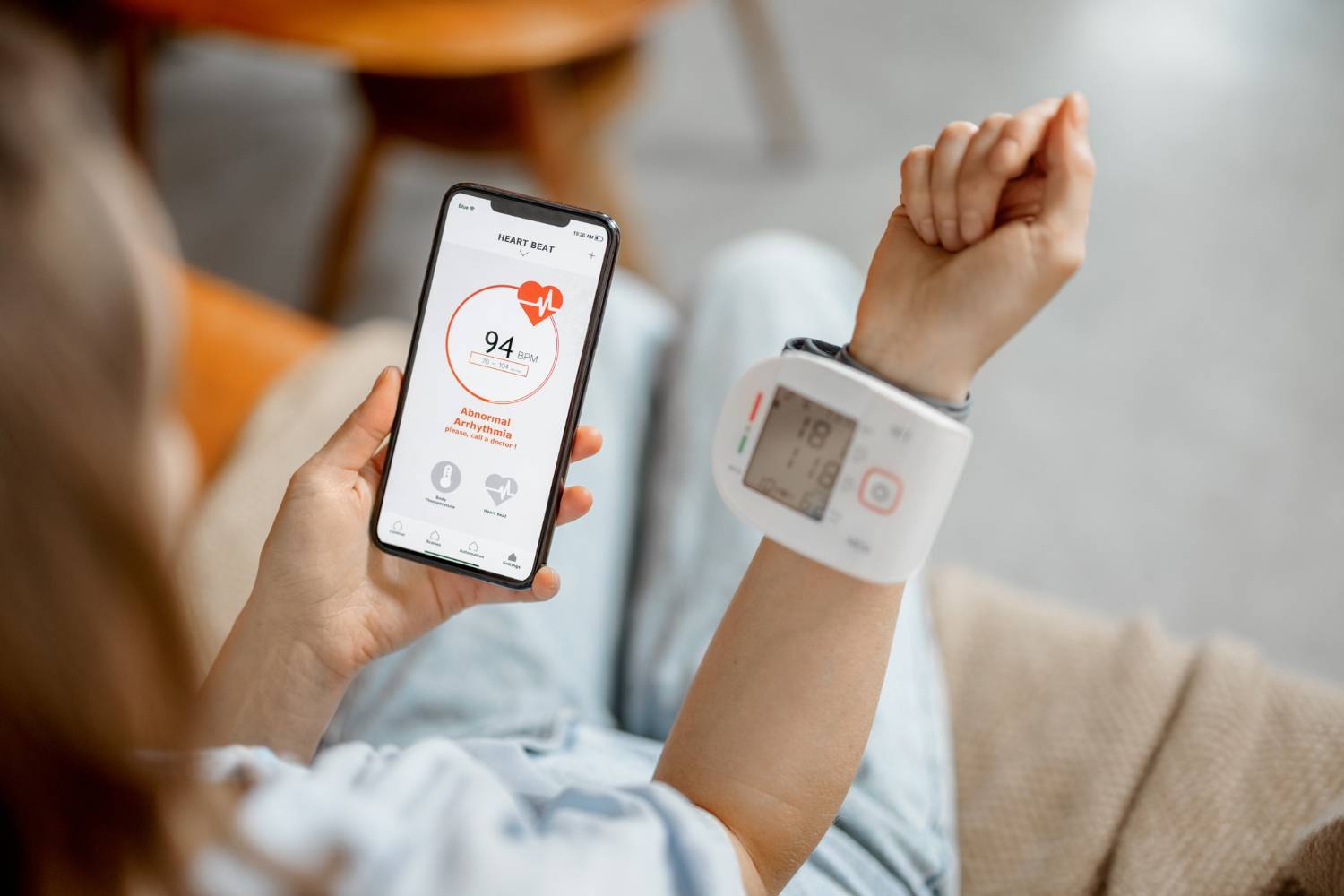
IntroductionEmergency department overcrowding due to non-urgent visits places a considerable burden on the healthcare system. Mobile health (mHealth) technologies offer potential solutions by providing community-based alternatives for emergency care.MethodsIn this study, we analyzed 4 years of implementation data from Maccabi-RED, a smartphone app-based emergency care service launched in 2019 by Israel’s second-largest healthcare maintenance organization. We retrospectively analyzed electronic health records for all patient-initiated emergency care requests made through the Maccabi-RED app between January 2020 and December 2023. Our analysis encompassed 48,972 approved requests from 41,313 patients, comprising demographic characteristics, appointment adherence patterns, and subsequent healthcare utilization within 7 days. Statistical analyses included descriptive statistics, chi-square tests, t-tests, and multivariable logistic regression models.ResultsOverall appointment attendance was 76.9%, improving from 52.4% in 2020 to 80.0% in 2023. Older patients (>51 years) had 29% higher attendance odds compared with younger patients (<19 years). Foreign body emergencies showed the highest attendance rates (72.6%), while surgical cases had the lowest (17.2%). The median wait time from request to appointment was 30.5 min, decreasing from 44.0 min in 2020 to 30.0 min in 2021–2023. Patients attending Maccabi-RED appointments had 16% lower odds of subsequent family physician visits and 41% lower odds of emergency medical center visits within 7 days, with no increase in emergency department visits or hospitalizations. However, geographic disparities emerged, with residents in peripheral areas showing lower attendance rates despite shorter wait times.DiscussionThis study demonstrates that smartphone-based emergency care services can effectively reduce the burden on the healthcare system while maintaining patient safety, although targeted interventions are needed to address geographic and demographic disparities in access and utilization.

Amplifying missing voices in healthcare research: an AI framework for co-production of PPIE
Patient and Public Involvement and Engagement (PPIE) is essential for high-quality healthcare research, yet significant challenges persist in achieving diverse input. Traditional PPIE panels can