



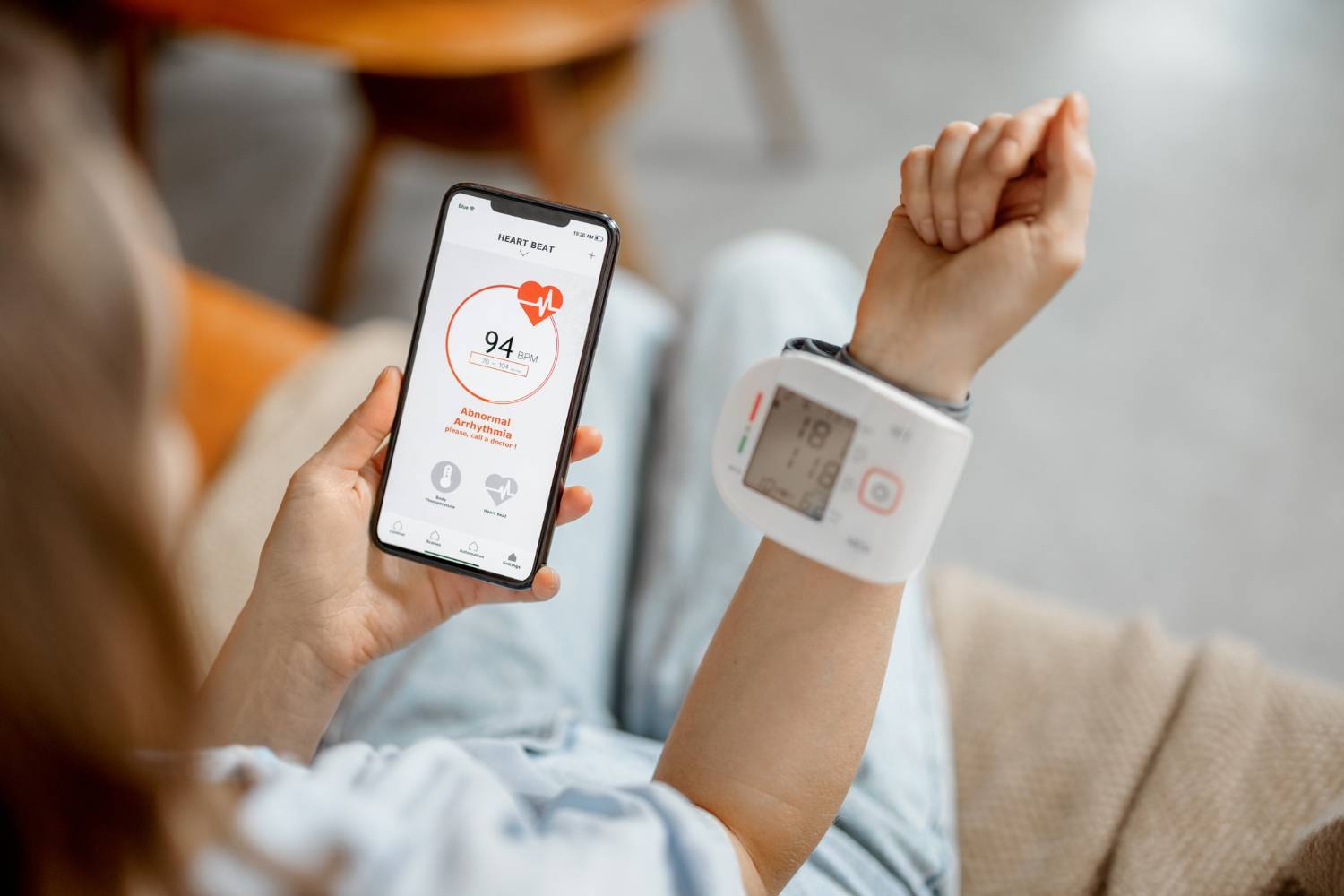
Co-creation methods are increasingly recognised as essential in digital health and care, yet engineers and physical scientists new to the field often find the literature highly theoretical, fragmented, and difficult to apply in practice. This paper presents a worked example of planning and delivering co-creation workshops through the development of an overactive bladder treatment device. Drawing on established participatory design frameworks, we situate our approach within existing theory while providing a modular toolkit structured around purpose (Why), content (What), and delivery (How). The toolkit is not intended as a new theoretical contribution, but as an accessible starting point for engineers and researchers seeking to integrate stakeholder engagement into biomedical device development. We also describe the use of an electronic whiteboard environment for rapid data capture and organization, reducing the need for full transcription and supporting efficient translation of stakeholder input into actionable design insights. By illustrating the process end-to-end and aligning it with key principles from the co-design literature, this paper provides early-career researchers and engineers with a concise, practice-oriented reference for running effective co-creation activities in digital health and care contexts.
Development and interpretable machine learning models for classification of pancreatic pseudocyst risk in acute pancreatitis
IntroductionPancreatic pseudocysts (PPC) are a late local complication of acute pancreatitis (AP). Persistent PPC carry a high risk of severe outcomes. Existing models, which are