


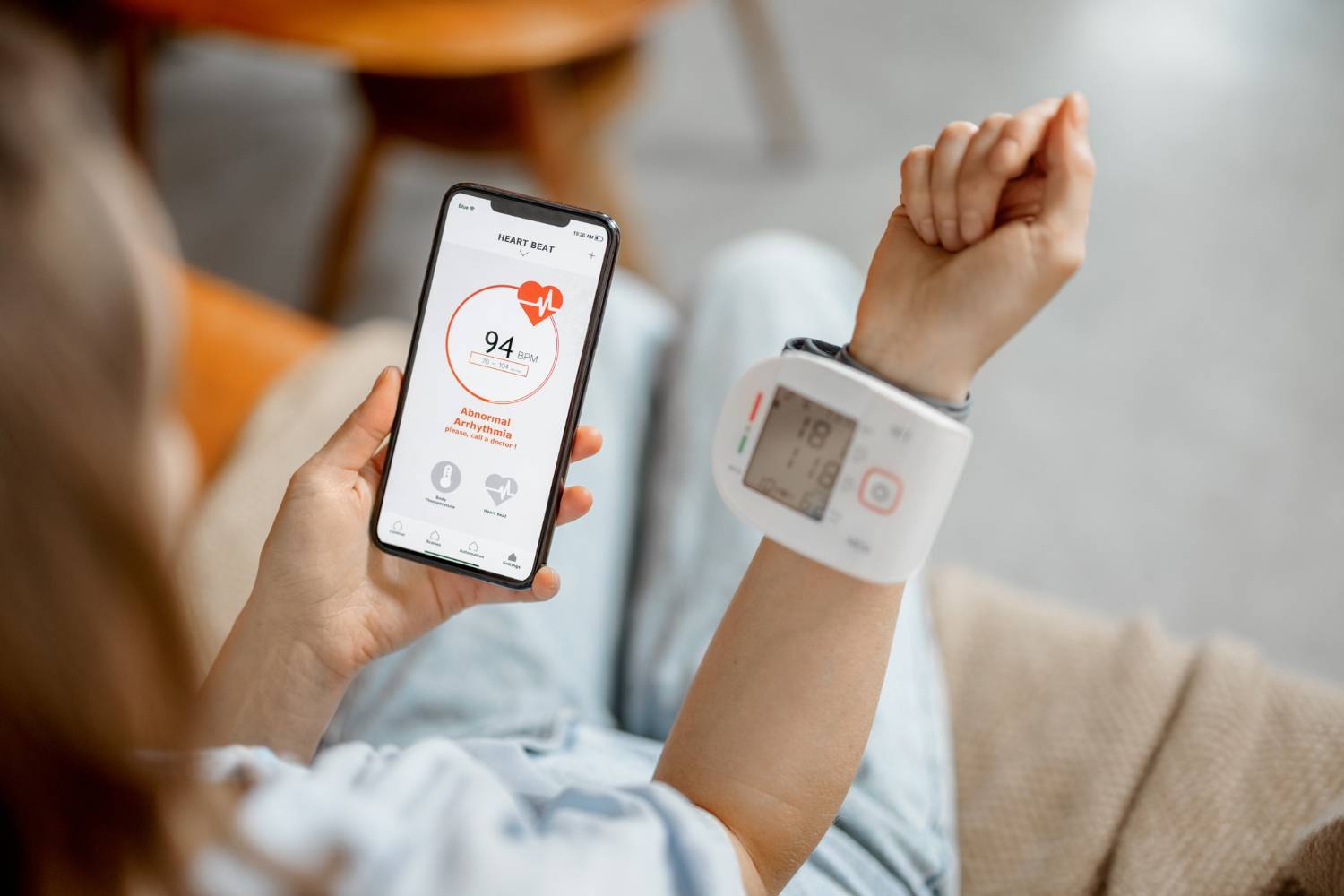
BackgroundHospital at home (HAH) services within the UK have expanded rapidly over the last 5 years, but there is comparatively little evidence demonstrating their clinical effectiveness. In this study, we evaluated the clinical outcomes, safety, and cost-effectiveness of a comprehensive HAH service in England.MethodsWe conducted a retrospective cohort study of patients admitted to our HAH service between December 2021 and May 2024, including pathways for heart function, airway disease, and acute respiratory infection. A 1:1 propensity score matched control cohort of patients admitted to inpatient care was created, using regression adjustment to derive doubly robust estimates of main outcomes. Primary outcomes included length of stay and total bed-day costs. Secondary outcomes included 30-day readmission rates, 90-day mortality, and patient experience and acceptability metrics.ResultsWe analysed 2,972 HAH episodes, yielding, after exclusions, a total of 1,488 inpatient-originated (IP) episodes that were matched 1:1 to controls, as well as 754 admission prevention episodes for a separate analysis. HAH reduced length of stay compared with matched inpatient controls (bed-day savings: 3.13 days, 95% CI 2.60–3.67, p < 1 × 10⁻²⁹). Total bed-day savings were 13,119 days, yielding net savings of £3.79 million over 33 months.All-cause 30-day readmission rates were significantly lower in HAH cohorts than in matched controls (OR 0.55, 95% CI 0.42–0.70, p < 3 × 10⁻⁶), as was total time in hospital over 90 days from initial presentation (2.64 days fewer, 95% CI 1.87–3.40, p < 2 × 10⁻¹¹) and 90-day all-cause mortality (OR 0.43, 95% CI 0.35–0.53, p < 3 × 10⁻¹⁶).ConclusionsThis large real-world evaluation demonstrates that HAH services significantly reduce length of stay, readmissions, and healthcare costs while maintaining safety and possibly reducing mortality. These findings support a wider implementation of HAH.
Assessing ChatGPT vs. evidence-based online responses for polycystic ovary syndrome self-management and education: an international cross-sectional blinded survey of healthcare professionals
Artificial intelligence (AI)-powered large language models, such as ChatGPT, are increasingly used by the public for health information. The reliability of such novel AI-tools in