



Adolescent idiopathic scoliosis (AIS) is traditionally assessed and classified using radiographic methods that rely on Cobb angle measurements and qualitative curve modifiers, exposing patients to repeated radiation and offering limited sensitivity to subtle three-dimensional (3D) deformities. We developed ScolioClass, a non-invasive, data-driven classification tool that harnesses 3D optical surface scanning and continuous indices, capturing curvature severity, directionality, and sagittal balance, to evaluate spinal deformities in 94 patients with AIS. By comparing ScolioClass descriptions with the established Lenke classification, we observed a statistically significant association (χ2 ≈ 29.0, df = 6, p < 0.001) with 72.3% overall agreement. A significant association was also found between sagittal modifiers and ScolioClass kyphosis–lordosis categories (χ2 ≈ 48.4, df = 3, p < 0.0001) with 68.1% agreement. Notably, ScolioClass detected mild curves and lordotic patterns that were often overlooked by Lenke criteria. These findings demonstrate that ScolioClass provides radiation-free, quantitative 3D assessment of AIS with potential for automated analysis and individualized treatment planning. Further validation is warranted for clinical integration.

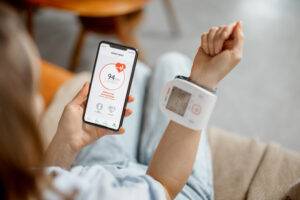
Artificial intelligence-based remote monitoring for chronic heart failure: design and rationale of the SMART-CARE study
IntroductionChronic heart failure (CHF) is associated with frequent hospitalizations, poor quality of life, and high healthcare costs. Despite therapeutic progress, early recognition of clinical deterioration