
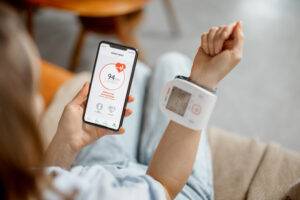


IntroductionConnected drug delivery devices such as combination products that integrate traditional drug delivery systems with digital connectivity features represent an opportunity to improve treatment outcomes and disease management. This online survey study was conducted to explore the evolving landscape of digitally connected subcutaneous (SC) drug delivery devices, including the perspectives of pharmaceutical stakeholders regarding the promise of these technologies, particularly in relation to the expansion of traditional mobile companion applications and their integration in drug delivery systems.MethodsA total of 80 employees of pharmaceutical, biotechnology, or digital health companies with primary roles in medical affairs, commercial, combination product development, or digital health who had experience working on SC drug-device combination products completed the survey. Survey questions explored the value propositions of connected SC drug delivery devices for patients, providers, and payers; barriers to the adoption of these technologies; and strategies for gaining internal support for connected healthcare initiatives.ResultsResponses demonstrated that industry professionals recognize the potential value of connected SC drug delivery devices and associated companion mobile applications and are investing in bringing them to market. Nearly all respondents (97.5%) reported that connectivity is at least moderately important to achieving important objectives, including acquiring real-world data, improving medication adherence, and enhancing ease-of-use for patients. Equal potential value was noted for using connectivity in clinical trials or commercial settings, with neither considered more beneficial than the other. Indications in oncology and endocrinology were considered to be the most likely to benefit from connected SC drug delivery devices. Key barriers to the adoption of connected SC drug delivery devices were development cost, data security, and patient and payer acceptance, while generating evidence of internal and external value was noted as a significant barrier to gaining company endorsement.DiscussionThese results should guide strategies for the effective integration of connected healthcare solutions within the pharmaceutical sector.

Structuring integration for patient-centered care: a review-informed ontology-driven modular front-end framework for digital health innovation
BackgroundSemantic interoperability remains a significant barrier in healthcare, particularly when integrating patient-reported, clinical, and genomic data to enable personalized care. Existing models rarely focus on