

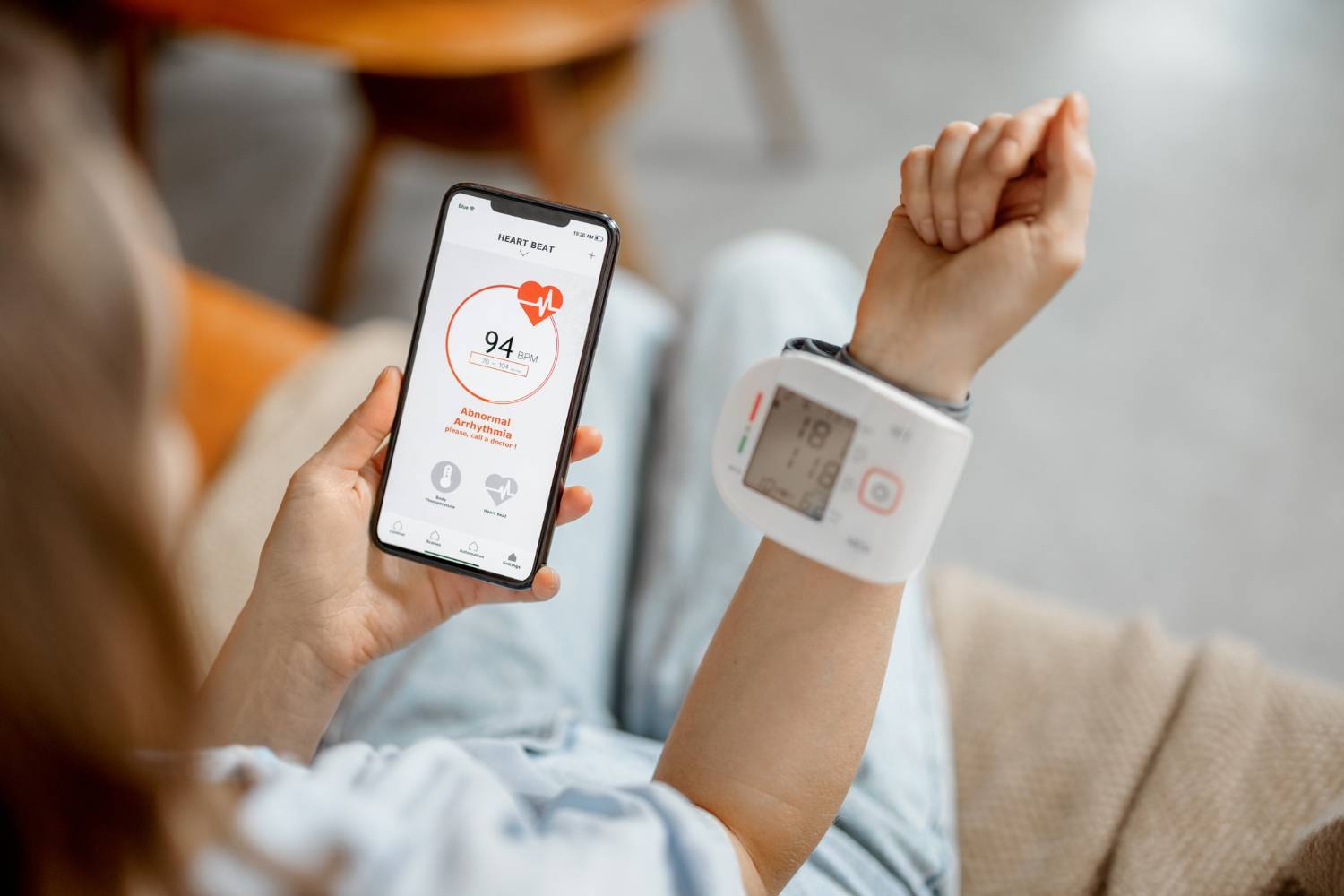
BackgroundMobile health (mHealth) technological innovations are now widely being promoted as a scalable solution to the rising problem of obesity. Unfortunately, there is a dearth of empirical research on the extent to which mHealth utilization is associated with acceptance disparities in emerging economies.ObjectiveThis work explores the associations among socioeconomic status (SES), urban-rural differences, mHealth utilization, and sustained physical activity in obesity management in Indonesia. The paper also assesses urban–rural variation in the associations among SES, mHealth utilization, and sustained physical activity.MethodsQuantitative assessment was used to examine the direct and indirect associations between SES, mHealth and sustained physical activity among 1,204 overweight and obese respondents in Indonesia. Multi-group SEM (structural equation modelling) was performed to assess differences between urban and rural cohorts and to examine group differences between the two samples.ResultsThe empirical outcomes indicate that (1) SES is significantly associated with mHealth utilization and sustained physical activity, (2) mHealth utilization is significantly related to sustained physical activity for obesity control, and (3) Structural differences exist between urban and rural groups in the strength and significance of the associations among SES, mHealth utilization, and sustained physical activity among overweight and obese adults.DiscussionsThe empirical outcomes align with earlier publications that discovered a substantial linkage between SES and mHealth utilization. The outcomes showed a positive correlation between SES and sustained physical activity, differing from an earlier work. This may be attributed to contextual differences: prior cohorts with higher wealth engaged in sedentary lifestyles, while here the link of SES-exercise was positive due to greater access to resources. Additionally, while earlier research has suggested mHealth utilization h as a psychosocial mediator, our outcomes indicate geographic disparity, where the benefits of technology are linked to urban infrastructure. It implies that mHealth utilization may be more prevalent in high-SES Indonesian cities, potentially widening health disparity gap.

Digital first primary care in NHS England: evaluating alignment with patient-centered care and implications for future practice
The Digital First Primary Care (DFPC) model, introduced by NHS England, aims to enhance healthcare accessibility and efficiency by leveraging digital tools such as telemedicine,