



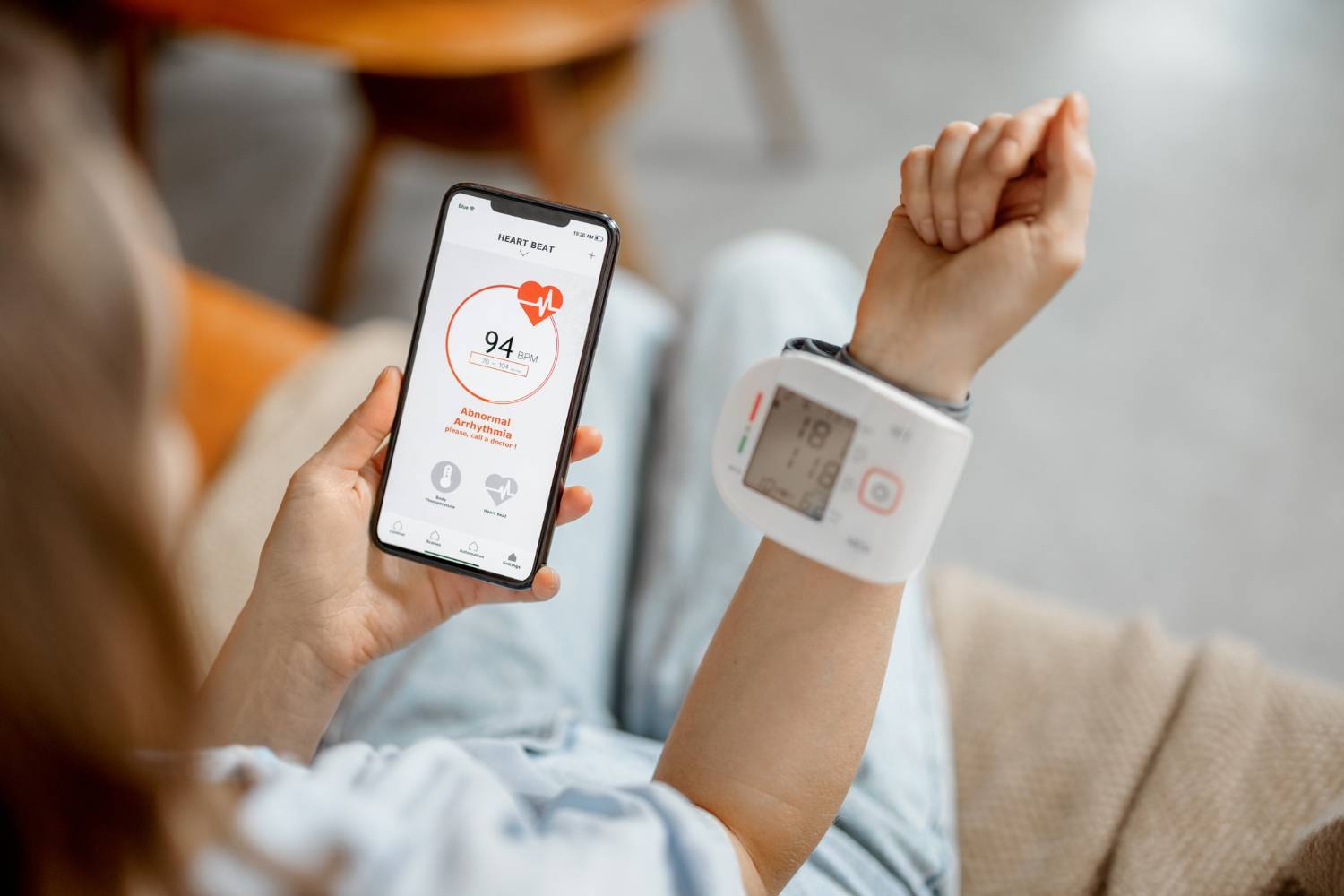
Major Depressive Disorder (MDD) is one of the most prevalent and disabling psychiatric conditions worldwide, involving alterations in mood regulation, cognitive function, sleep, and physiological systems. Traditional diagnostic approaches often rely on time-consuming interviews and questionnaires, which are largely based on subjective clinical judgment, and may contribute to misdiagnosis or suboptimal treatment selection. Artificial Intelligence (AI) approaches for MDD detection and monitoring have been studied using various data sources, including clinical data, Magnetic Resonance Imaging (MRI), speech features, and genetics. In this review, we collected evidence on multimodal AI-based methods for MDD-related outcomes, focusing on discriminative and predictive performance, validation practices, and feasibility in clinical settings. A search of four databases (PubMed, Web of Science, Scopus, and Embase) was performed, including 40 original studies published after 2015 divided into two main categories: clinical and translational approaches. Our analysis showed that MRI-based biomarkers frequently provide the best performance, but their high cost and time-consuming acquisition limit scalability; simpler measures (audio-visual, clinical, wearable/smartphone digital biomarkers) may offer a better balance between performance and implementability. Reported accuracies are typically between 65%–85%, however a systematic lack of external validation may imply overfitting, highlighting the need for prospective multi-site validation and stratified analyses before clinical translation. Although the landscape is complex, this review suggests that multimodal AI approaches could help clinicians optimize their clinical practices, support decision-making, and monitor patients, thereby improving the quality of healthcare services.
Co-designing animated videos to explain large language models and their use in healthcare and research
IntroductionThe increasing development of large language models (LLM) in healthcare research is taking place without patient and public involvement and engagement (PPIE). Part of the