

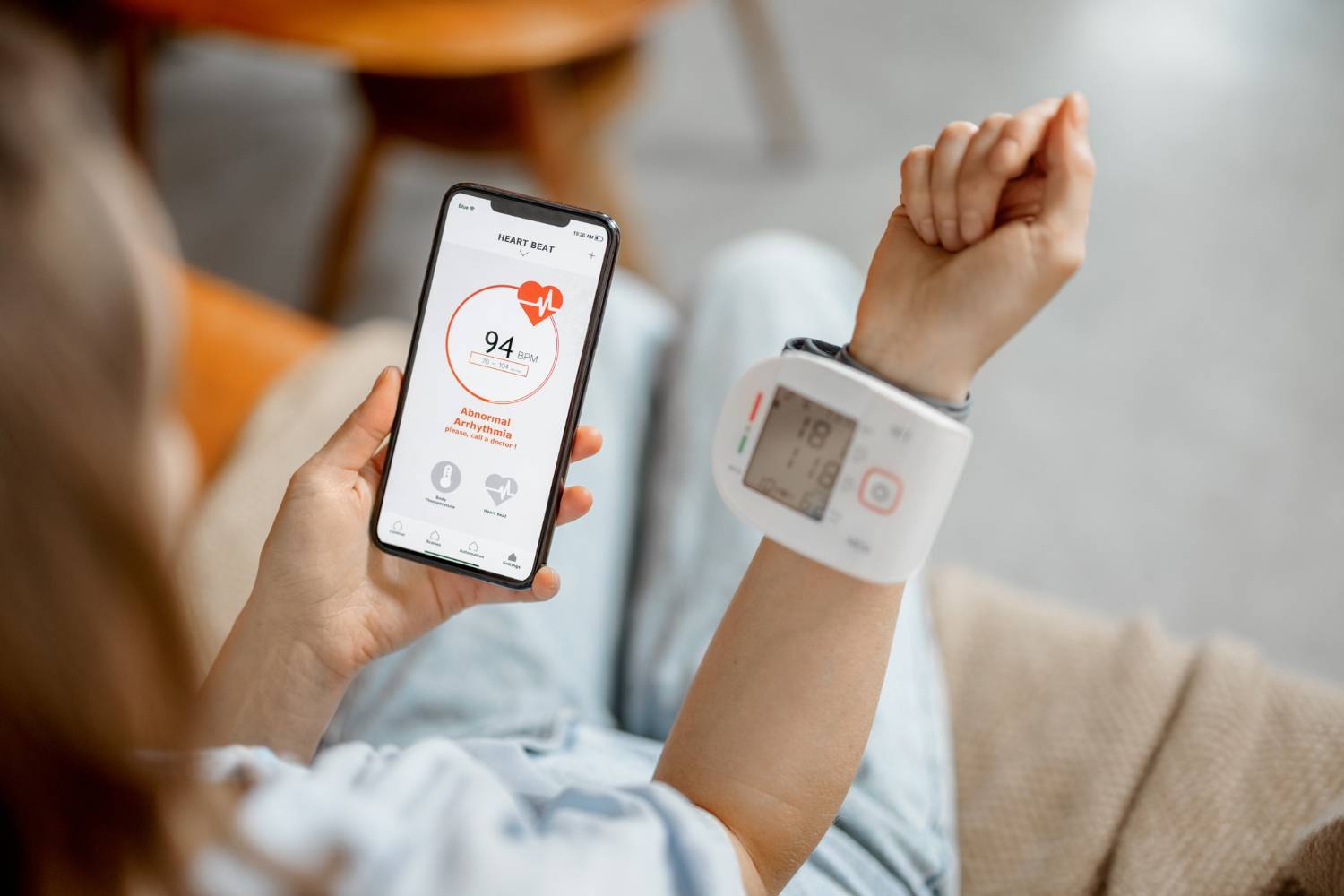
IntroductionIreland has the highest COPD hospitalisation rate in the OECD (315 per 100,000 vs. an average of 190), yet possesses the infrastructure and reform ambition—through Sláintecare—to deliver care differently. Virtual Care Pathways underpinned by Remote Patient Monitoring offer one route out of this costly, hospital-centric cycle, but the question is not simply whether they work. It is how, for whom, and at what cost to equity.MethodsWe conducted a 20-month prospective mixed-methods feasibility study at Galway University Hospital, enrolling 85 adults with high-risk COPD (GOLD Group B/E) into a nurse-led, protocol-driven Virtual Care Pathway using tablet-based remote monitoring with 5G connectivity. Clinical outcomes were evaluated against historical baselines; patient experience was explored through focus groups and serial surveys, with findings interpreted through a critical realist lens and the NASSS framework.ResultsOf 152 exacerbation episodes managed on the platform, 148 (97.3%) were completed without hospital admission. Mean length of stay was 5.15 days—a 51.5% reduction against the regional baseline of 11.8 days (p < 0.001)—translating to an estimated €949,000 in gross hospital cost avoidance. Borg dyspnoea and CAT scores improved significantly beyond minimal clinically important differences. But the qualitative data complicates this picture.DiscussionPatients embraced the platform largely because hospital terrified them, not because the technology delighted them. The “digital safety net” generated its own anxieties around device failure and clinical abandonment, and families—particularly daughters and grandchildren—absorbed a hidden burden of technical troubleshooting that the model depends on but does not account for. Most critically, every participant owned a smartphone. In a country where 37% of over-65s are digitally excluded, and where COPD prevalence is itself socially patterned, the absence of digitally excluded patients from our sample is not a limitation to footnote—it is the finding. Without deliberate design of hybrid digital-analogue pathways, Ireland risks cementing an “Inverse Digital Care Law” in which the most effective care reaches those who need it least.

Digital first primary care in NHS England: evaluating alignment with patient-centered care and implications for future practice
The Digital First Primary Care (DFPC) model, introduced by NHS England, aims to enhance healthcare accessibility and efficiency by leveraging digital tools such as telemedicine,