
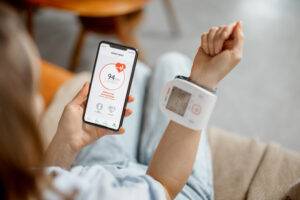


As many as three in four older adults live with chronic pain, and osteoarthritis is a leading cause of chronic pain in older adults. Knee and hip osteoarthritis being the most common forms of the condition. Osteoarthritis symptoms are worsened by low levels of physical activity, excess sustained sedentary time, weight gain, and social isolation, ultimately impairing quality of life. Data from several pilot trials have demonstrated the feasibility, acceptability, and potential benefit of a unique remote group-mediated behavioral intervention rooted in social cognitive and self-determination theories that targets three domains of behavior change: (1) dietary behavior change with a focus on weight loss via caloric restriction alongside diet quality, satiety, and reduced inflammation, (2) increased physical activity, and (3) decreased sitting via the accumulation of steps in frequent bouts throughout the day (i.e., daylong movement). Herein we describe the protocol for a Stage-II parallel randomized controlled trial examining the efficacy of 6 months of a remotely delivered group-mediated daylong movement and weight loss intervention in older adults with obesity and chronic knee or hip osteoarthritic pain. Outcomes of interest include daily steps (primary outcome) and pain interference, body weight, and physical function (secondary outcomes). We will also explore intervention effects on long-term behavior change over 12 months following the intervention and whether changes in steps, body weight, pain catastrophizing, or pain self-efficacy mediate intervention effects on pain interference, if present. Low-active older adults (N = 200) with chronic osteoarthritic hip and/or knee pain and obesity will be randomly assigned to the daylong movement and weight loss intervention or to an enhanced usual care control. All participants will receive the same self-monitoring technologies to account for any effect of basic device provision on activity and diet behavior. The results of this trial will inform future real-world efficacy and effectiveness trials of a package well-suited to broad scale delivery.

Deep learning for stress oriented human activity recognition
IntroductionHuman Activity Recognition (HAR) using sensor-generated time-series data has gained significant attention for assessing mental and physical states to address various behavioral disorders. This study